29/10/2026






Cholesterol is a waxy substances found throughout your body. Our bodies naturally make cholesterol and it’s needed to build healthy cells, hormones and Vitamin D.
There are two main sources where we get cholesterol from. Our liver makes all the cholesterol we need, whilst additional cholesterol comes from the food we eat.
High cholesterol is a widely discussed topic and this is because too much or having “high cholesterol” can often be a cause for concern.
Having high cholesterol causes extra waxy fat to build up as plaque in your blood vessels. This can cause a block in blood vessels, making heart problems and stroke an increased risk.
The good news is, simple everyday dietary changes can support managing cholesterol. It’s not necessarily about avoiding particular foods altogether, but looking at the overall balance of the diet.
Can What You Eat Help to Lower Cholesterol?
The NHS recommends reducing saturated fat and choosing more foods containing unsaturated fats, alongside wholegrains, nuts, seeds, fruit and vegetables.
Saturated fat can raise levels of LDL cholesterol, which is considered the bad cholesterol. LDL is the cholesterol that is fatty and sticks to the walls of your blood vessels.
Therefore, eating too much saturated fat can be bad for you as it increases your risk of heart disease.
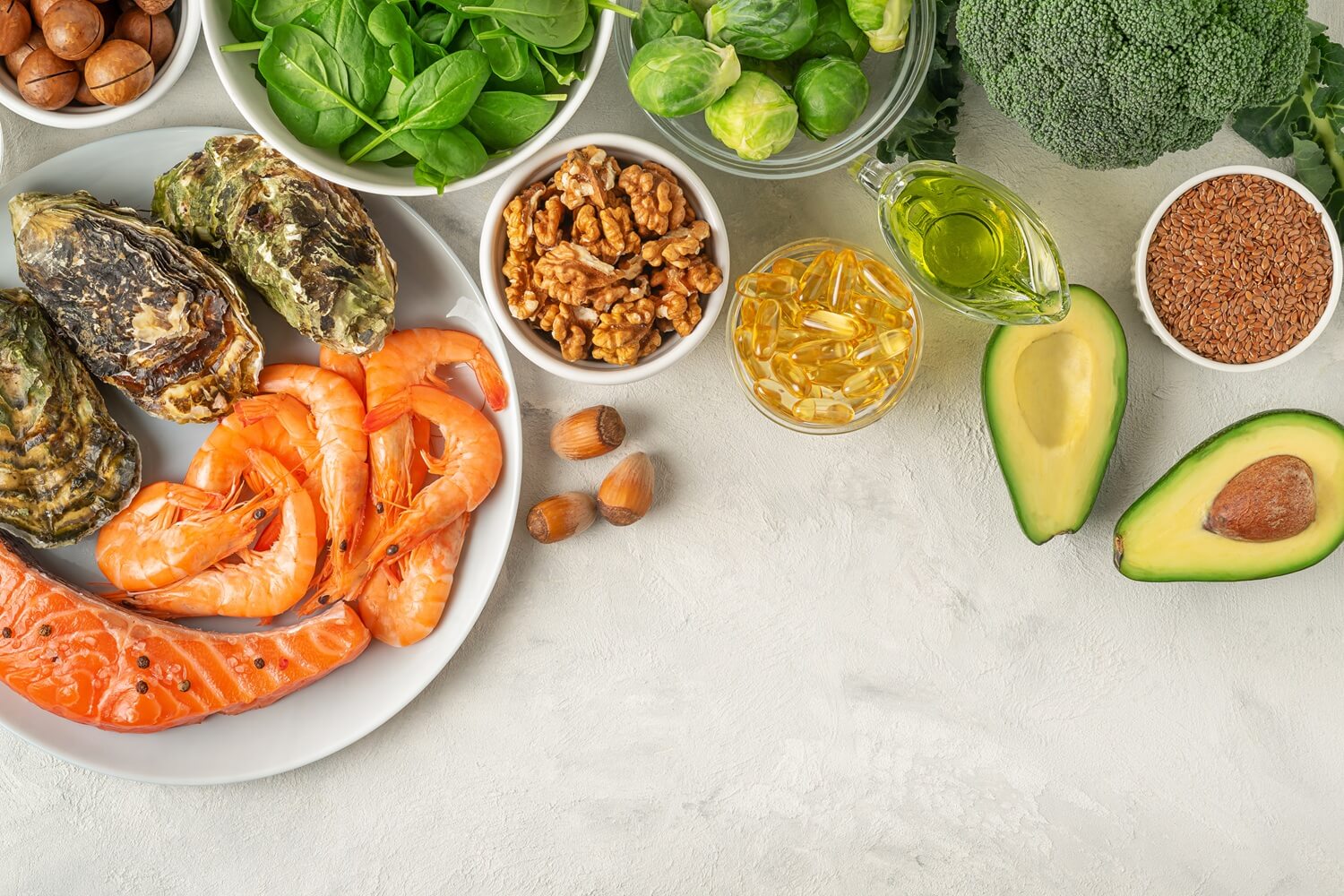
Unsaturated fats are generally considered good for your health and making a swap from saturated to unsaturated fats can be a positive step towards improving health. Unsaturated fats commonly come from foods like avocados, olive oil, walnuts and oily fish.
Increasing fibre can also help cholesterol management. Soluble fibre can traps fats so they can't all be absorbed, which lowers cholesterol levels.
There aren’t any “miracle foods” when it comes to lowering cholesterol, it’s all about dietary changes that make a difference.
Foods That May Help to Lower Cholesterol
Here are some of the key foods that may help to lower cholesterol, when included in a healthy, balanced diet.
Oats and Wholegrains
Oats and wholegrain lower cholesterol due to being a soluble fibre. Foods like porridge and oats, wholegrain bread, brown rice and wholewheat pasta are all great alternatives.
These can be introduced to your diet easily, fore example making swaps at breakfast or lunch time.
Beans, Lentils and Pulses
Adding beans, lentils and pulses to your diet can help to lower cholesterol, as they are another soluble fibre. They are plant-based proteins and can be swapped for high-saturated-fat meats like red or processed meats. HEART UK recommends peas, beans and lentils to improve cholesterol and heart health.
Some ways to add them to your diet could be adding them to soups, curries and salads to make them part of a healthy and easy to manage diet.
Nuts and Seeds
Nuts and seeds in moderation are another effective way to lower cholesterol. Almonds, walnuts, mixed unsalted nuts and pumpkin, sunflower or chia seeds are a good option.
These consist of unsaturated fats and dietary fibre that can lower LDL cholesterol.
You can introduce nut and seeds to your diet simply by adding them to yoghurt or porridge. You could add nuts to a salad or have them as a snack.
Nuts should be eaten in moderation however, as they can be high in calories. It’s recommended to have around 30g a day.
Oily Fish
Oily fish is a good option as it’s low in saturated fat and high in omega-3 fatty acids. Omega-3 doesn’t directly affect cholesterol, however, it can lower blood triglyceride.
Some of the best oily fishes to include in a diet include salmon, mackerel and sardines.
Oily fish is recommended in heart health dietary advice, it can help to lower blood pressure, prevent blood clots and stabilise heart rhythm.
Fruit and Vegetables
Any healthy and well balanced diet should include fruit and vegetables, but they can play an important role in lowering cholesterol.
Simple ways to get more fruit and vegetables into your diet can be achieved by adding them to meals, increasing variety or choosing them as your snack throughout the day.
It’s recommended to eat at least five portions of fruit and vegetables a day, which can help to lower LDL cholesterol.
Some of the best fruits to lower cholesterol include:
- Apples, pears and citrus fruits
- Blueberries, strawberries and raspberries
- Prunes and plums
Some of the best vegetables to lower cholesterol include:
- Broccoli, kale and cabbage
- Leafy greens, such as spinach
- Carrots and sweet potatoes
Avocado, Olive Oil and Other Unsaturated Fats
Whilst unsaturated fats are ideal for improving cholesterol, it’s important to make it a swap rather than adding more fat to your diet.
This can include, swapping butter for olive or rapeseed oil, choosing avocado to bulk up a meal, adding a moderate amount of nuts and seeds to breakfast or salads, or choosing unsaturated spreads.
What Foods Should You Cut Down On?
It’s important to remember everything in moderation, it doesn’t have to be restrictive, but making positive and balanced changes is recommended.
Some of the foods high in saturated fat include:
- Butter, lard and ghee
- Fatty and processed meats
- Cream and some cheeses
- Cakes and biscuits
These are some of the foods recommended to eat less of when trying to lower cholesterol.
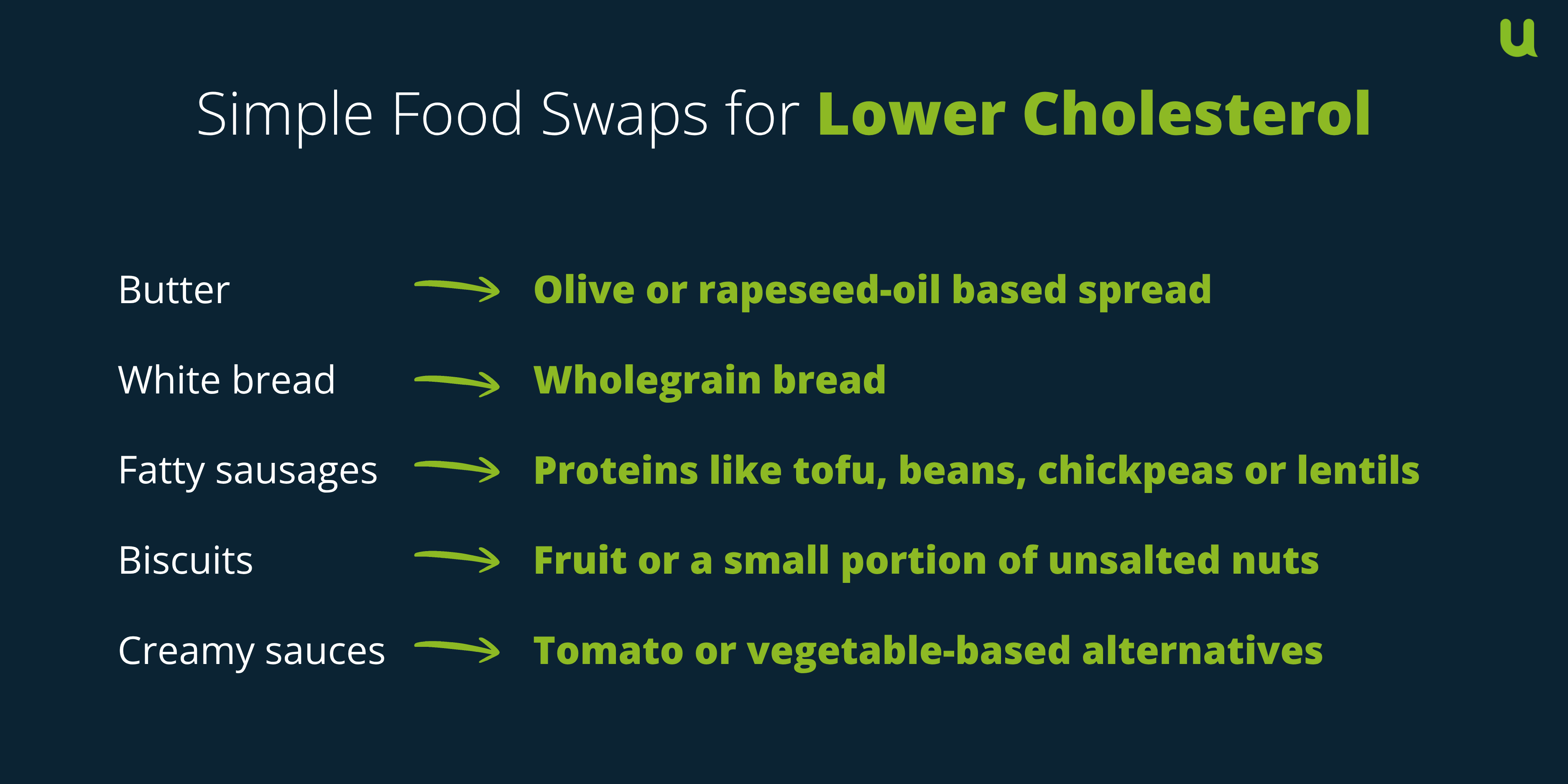
Simple Food Swaps for Lower Cholesterol
We’ve covered a lot of foods to support lowering cholesterol, along with foods to cut down on. Here's a simple way to look at how you can make some swaps.
- Switch butter for olive or rapeseed-oil based spread
- Switch white bread for wholegrain bread
- Switch fatty sausages for proteins like tofu, beans, chickpeas or lentils
- Switch biscuits for fruit or a small portion of unsalted nuts
- Switch creamy sauces for tomato or vegetable-based alternatives
Overall, the aim is to reduce saturated fats and replace it with unsaturated fats where possible, whilst also including more fibre-rich plant foods.
Diet Isn't the Only Factor
Whilst diet plays a massive role in helping to lower cholesterol, there are also some other ways to help lower cholesterol and improve health.
- Physical activity – can increase HDL (which is good cholesterol), it sweeps up excess cholesterol from the blood vessels and carries it back to the liver to be processed and removed
- Smoking – can make LDL cholesterols become stickier and cling easier to artery walls
- Maintaining a healthy weight - can improve how your body processes fats and clears harmful lipids from your bloodstream
- Following medical advice - if you've already been diagnosed with high cholesterol
To prioritise a healthy lifestyle overall, it’s recommended to have at least 150 minutes of moderate-intesity activity a week and focus on dietaries changes, limiting alcohol and stopping smoking.
When Should You Get Your Cholesterol Checked?
There are some key times recommended to get your cholesterol checked. It’s often recommended to get checked when you reach 40, or earlier if you have risk factors, such as high blood pressure or diabetes.
High cholesterol doesn’t always have obvious symptoms, it is a silent condition that builds up over time, which is why getting checked is so important.
However, if high cholesterol is left untreated for a long time, it can lead to narrowed arteries which shows up in chest pain, shortness of breath, leg pain and a heart attack or stroke.
In order to identify high cholesterol, a GP or healthcare professional will use a blood test to measure the types of fat in your body.
They’ll also review your diet, family history, physical activity, if you smoke and any medications you take.
It’s always recommended not to wait, if you have any concerns, speak to your GP or healthcare professional for advice and next steps on managing potential high cholesterol.
The Bottom Line
Overall, there isn’t one food that will lower cholesterol on its own. Instead, making small changes across your diet, such as eating more fibre-rich foods and replacing saturated fats with unsaturated alternatives, can contribute towards healthier cholesterol levels.
Always consult a GP and seek professional healthcare advice if you are worried about high cholesterol or any more serious symptoms.
Taking steps to look after your health is important, but having the right support in place can offer extra reassurance too.
Private health insurance can give you access to private healthcare, depending on your policy and cover. If you're considering your options, our expert advisers can help you compare policies. Get in touch on 01285 864670